
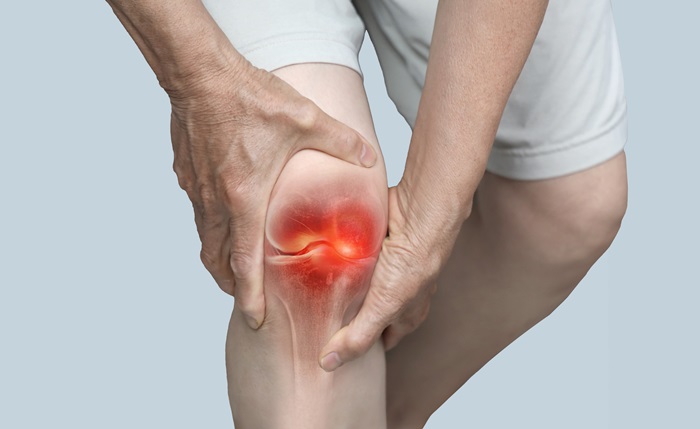
Joint Pain Relief:-
These medications include naproxen sodium (Aleve), ibuprofen (Advil, Motrin IB, etc.), and acetaminophen (Tylenol, etc.). Applying capsaicin-containing creams to the skin over a sore joint can help reduce discomfort. The substance that gives chile peppers their spiciness, capsaicin, is used to make capsaicin cream this is called Joint Pain Relief.

Rheumatoid Arthritis (RA)
Rheumatoid Arthritis (RA) is a chronic autoimmune condition that causes pain, swelling, and stiffness in the joints, commonly affecting the feet-usually on both sides of the body. if not managed, inflammation can damage cartilage and bone, which may lead to joint deformity and possible fusion. RA can also impact other organs such as the skin, eyes, lungs, heart, and mouth due to widespread immune system activity.
Why joints are painful
Your joints may hurt for a variety of reasons. Arthritis, a collection of disorders characterized by inflammation in the joints, is often the source of joint discomfort.
The Centers for Disease Control and Prevention (CDC) estimates that 23% of adult Americans suffer from arthritis. The most prevalent kind of arthritis is osteoarthritis (OA). This kind is brought on by cartilage deterioration with aging.
Others may experience joint discomfort due to fibromyalgia, depression, or an injury or infection of the joints. Long stretches of idleness or bad posture may also be the cause.
People with arthritis may manage their symptoms, but many are unsure of how. Ignoring joint discomfort won’t make it go away, but treating it isn’t always as easy as taking a prescription or performing some exercises.
Thankfully, you have a wide range of therapy alternatives at your disposal. You can determine which combination of treatments is most effective for you based on the reason and intensity of your joint pain.
Options for joint pain treatment
Make an appointment to see a doctor if you are suffering joint discomfort and are unsure of the cause.
Sometimes a problem unrelated to joints, like a muscle strain or bone fracture, is the cause of what may appear to be joint discomfort.
Before attempting self-treatment, it is crucial that you have a diagnosis. You can better manage arthritis, including osteoarthritis, if you receive an early diagnosis.
Drugs for joint discomfort
Your doctor could first advise you to use painkillers and anti-inflammatory drugs to alleviate the arthritis-related joint discomfort. Here are a few instances:
Oral drugs
The underlying reason of your joint pain will determine what your doctor prescribes. Oral drugs for OA, the most prevalent kind of arthritis, include:
- Nonsteroidal anti-inflammatory medicines (NSAIDs) available over-the-counter (OTC) include naproxen (Aleve) and ibuprofen (Motrin, Advil), which both lessen pain and reduce inflammation. However, because of the danger of stomach ulcers, prolonged use of ibuprofen is not advised. Purchase over-the-counter NSAIDs.
- Diclofenac (Voltaren) and celecoxib (Celebrex) are examples of prescription NSAIDs.
- Aspirin and other salicylates can thin the blood, so if you take other blood-thinning drugs, you should use them very carefully. Get aspirin.
- Long-term high dosages of acetaminophen (Tylenol) can cause liver damage or failure. Purchase acetaminophen.
- Codeine and hydrocodone (Vicodin) are examples of opioid painkillers.
- Cortisone and prednisone are examples of oral steroids.
- An antidepressant called duloxetine (Cymbalta) is occasionally used off-label for OA.
Medication known as disease-modifying antirheumatic medicines (DMARDs) can help reduce the progression of rheumatoid arthritis (RA) and prevent joint damage if you are diagnosed with a systemic disease or autoimmune disorder.
For RA patients who don’t react to treatment with conventional DMARDs, more recent medications known as biologics offer a more focused response to inflammation.
Injections
Injections can lessen inflammation and relieve discomfort. Injections used to relieve joint discomfort include, for example:
- injections of steroids into joints
- Injections of hyaluronic acid
Although steroid injections are helpful in reducing joint swelling, they eventually wear off. Additionally, the number of prescriptions a doctor can issue you annually is limited.
Topical medications
The joint area may be made numb with over-the-counter topical analgesics. Purchase over-the-counter topical pain relievers.
Diclofenac sodium-containing topical medications may be prescribed by your doctor. Additionally, you can search for over-the-counter lotions, gels, or patches that include the following ingredients:
- lidocaine
- capsaicin
- menthol
- salicylate
Surgery
In order to relieve joint discomfort, surgery is regarded as a last resort. It is often saved for individuals with osteoarthritis in the knee or hip that has not improved with previous treatments.
A complete joint replacement may be necessary in severe situations. Osteotomy, a procedure that involves cutting and reshaping bones to relieve strain on the joint, may be a viable option for less severe cases.
Not everyone with joint pain will be a candidate for an osteotomy, which is occasionally used to postpone the need for a complete joint replacement for a number of years.
Physical treatment
Because it increases range of motion and strengthens the muscles surrounding the joint, physical therapy is an excellent treatment for joint discomfort. Thus, general pain and stiffness are reduced.
You will be given a set of personalized stretching and strengthening exercises to perform on a regular basis during physical therapy. Stretching improves range of motion and mobility in general.
In order to help with stability and function, a physical therapist might also advise wearing a brace, particularly if you have knee pain.
Leave a Reply