Core exercise:-
Your stability and balance are enhanced by core exercises. The center of your body is your core. It encompasses your hips, stomach, lower back, and pelvis. The abs are another name for the stomach muscles. Your core muscles are trained to cooperate through core exercises.
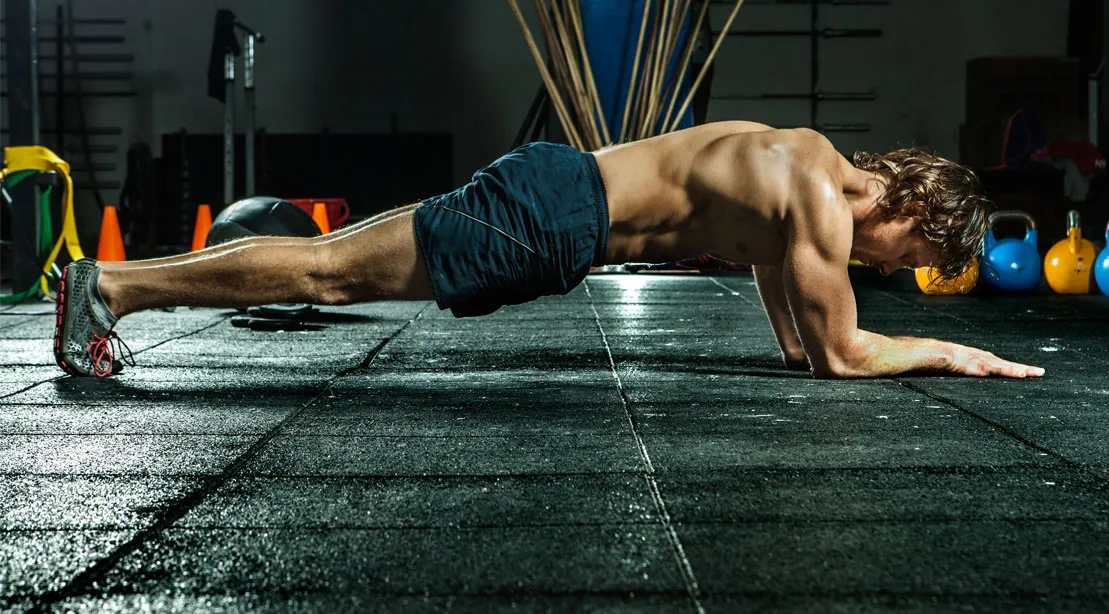
The different core muscles are worked via exercises like planks, crunches, and bridges. A person’s mobility, trunk stability, and ability to support daily activities can all be enhanced by working these muscles.
You use your core to perform many daily tasks, such as pulling a grocery cart or putting on shoes. Your stability, posture, and balance are also impacted.
Your core is more than simply your abdominal muscles, despite what many people think. It also includes the muscles surrounding your pelvis and in your back.
Your trunk, or core, consists of your:
- The three back muscles that travel up your trunk are called the erector spinae. It helps you twist your head, bend sideways, and rise up straight after leaning over.
- The rectus abdominis is an abdominal muscle that is used when you bend forward. This muscle is commonly referred to as the “six pack.”
- Obliques: You can bend or rotate your trunk with the aid of your internal and external obliques.
- Transverse abdominis: This muscle stabilizes your pelvis and wraps across the front and side of your trunk.
- Multifidus: Your spine is supported by the multifidus in your back.
Your core also consists of the following other muscles:
- The hamstrings, hip flexors, and hip adductors are the muscles that attach to the pelvis, and the pelvic floor diaphragm holds them in place.
Maintaining the strength of these muscles improves your general fitness, supports your spine, and stabilizes your body.
The top core-strengthening exercises for all fitness levels are listed here.
Beginner moves
Start with these introductory exercises if you’ve never worked out before or haven’t worked out in a while.
Speaking with a personal trainer about the appropriate number of repetitions and sets for your fitness level and objectives may also be a smart option.
You’ll hear the advice to “tighten your core” throughout these workouts, but how can you tell if you’re doing it?
Taking a deep breath and visualizing your belly button moving toward your spine is an excellent technique to get started. For a few seconds, keep your muscles taut in that posture.
Engaging, or tightening, your core will feel like your stomach muscles are braced.
Bridge
By using your glutes to raise your hips, this position tones your thighs and butt while strengthening your core.
- On your back, begin. Plant your feet hip-width apart and bend your knees. Put your hands palms down by your sides.
- Squeeze your glutes and core.
- Lift your hips until your knees and shoulders are parallel.
- Ten to thirty seconds of holding.
- Do this three to five times.
Crunch
A traditional core-strengthening exercise is the crunch. Your abdominal muscles are used when you raise your upper body.
Do crunches carefully if you occasionally have low back pain; start with a small number of repetitions and go slowly.
Before trying this traditional crunch, see a qualified trainer or medical expert if your low back problem is chronic. For you, it might not be the ideal choice.
- On your back, begin. Plant your feet hip-width apart and bend your knees. Align your spine and head. Cover your chest with your arms.
- Relax your shoulders and neck while strengthening your core. Maintaining your lower back, pelvis, and feet on the ground, tuck your chin in and raise your upper back. Hold on.
- To get back to where you were before, slowly lower your upper back.
- Begin with a single set of 8–12 repetitions.
Supine toe tap
This is a fundamental Pilates pose. It works your hips and legs while activating your core muscles.
Additionally, toe taps put very little strain on your spine. Instead of crunches, toe taps can be the best option if you have back problems.
- On your back, begin. With your knees bent to a 90-degree angle, raise your legs. Put your hands palms down by your sides.
- Make your core stronger. With your back flat and your left leg still, lower your right foot and tap the floor softly.
- To get back to the beginning position, lift your right leg.
- Do the same with your left leg.
- Begin with a single set of 8–12 repetitions.
Bird Dog
The bird dog is a great exercise for building your core because it works your back and abdominal muscles. It also tests your stability, balance, and coordination.
- Place your hands beneath your shoulders and your knees beneath your hips to begin on all fours.
- Make your core stronger. Raise your right leg to hip height and straighten it. Lift and extend your left arm to shoulder level, palm down, at the same time. As you stretch your arm and leg, maintain a neutral spine and avoid arching your back.
- Hold on.
- Do the same with your right arm and left leg.
- Begin with a single set of 8–12 repetitions.
Bicycle crunch
This version of a standard crunch strengthens your hips, rectus abdominous, and obliques.
With your left leg bent and pulled near your chest, begin with your back on the floor. Maintain a straight right leg that is slightly raised off the ground. Make sure not to tug on your neck while you perform this technique by placing your hands behind your neck or on the lower portion of your head.
- Raise your right shoulder off the floor and bring your right elbow to your left knee while keeping your right leg straight and your left knee bent.
- Bend your right knee and bring it to your chest while you extend your left leg and return your right shoulder back to the floor.
- Raise your left shoulder off the floor and bring your left elbow closer to your right knee as it gets closer.
- Begin with three sets of twelve repetitions that alternate.
Leave a Reply